




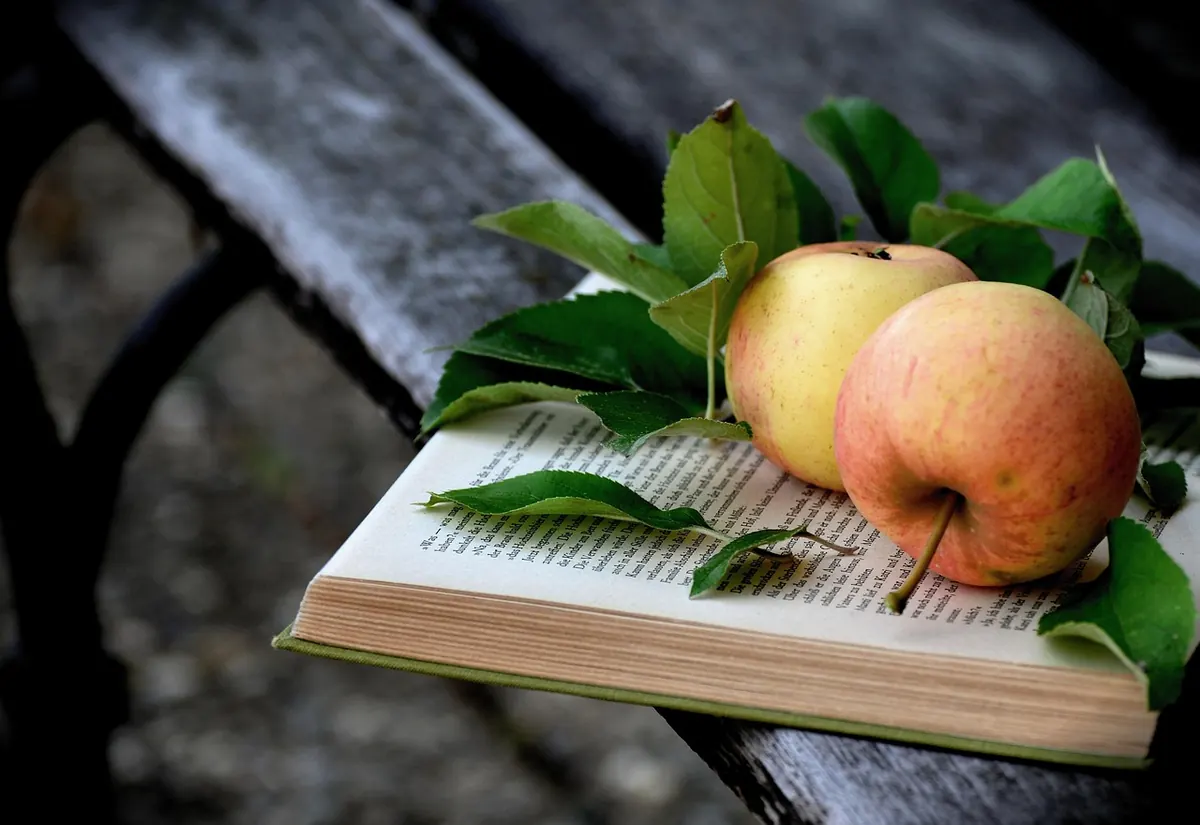
Some books only work in certain weather. A sun-bleached thriller will do on a January train, but a novel about wet leaves, woodsmoke and a house that keeps its own counsel asks for a short afternoon and a cold window. That is the pleasure of seasonal reading — and the reason autumn fiction is so easy to review badly. A book can win a lot of credit simply for mentioning October. The work is deciding whether the season is doing anything: shaping the plot, the pacing, the people in it, or whether it is decoration you could swap for spring without anyone noticing. What follows is how to choose autumnal books, and how to write about them honestly.
What actually makes a book feel autumnal
There is no autumn genre. There is a set of conditions the season hands to a writer, and once you can name them you can tell a book that uses them from one that merely wears them.
Think about what autumn provides. Light fails early. The weather keeps people indoors, often together, sometimes without a good reason to be there. A school year begins while the garden dies back. The calendar offers ready-made occasions for the supernatural — All Hallows' Eve, Bonfire Night, the last of the harvest — so ghosts can arrive without much argument. Smell does a great deal of work too: damp wool, leaf mould, coal smoke, the inside of a church.
Now watch those tools in action. In Susan Hill's The Woman in Black, the fog and the causeway are not atmosphere for its own sake; they trap the narrator where he cannot get away. In Ali Smith's Autumn, the season carries grief and a country's mood without ever becoming a backdrop. In Henry James's The Turn of the Screw, the shrinking daylight does the same job as the governess's isolation. So ask what the season is doing. Raising the stakes, or wallpaper?
Building a reading list that holds together
A good autumn list is its own small season. It opens in late September, when the evenings close in, and finishes somewhere near the last of the leaves. Five or six books is plenty; ten is a fantasy you will abandon by the second week of October.
- Choose a spine. Not a genre — a question. Houses with secrets. Narrators you cannot trust. Novels about returning to a place you thought you had finished with. A spine makes the list feel deliberate and gives your reviews something to say to one another.
- Mix the lengths. One long book for the dark weekends, two or three short ones for weeks when work eats your evenings.
- Include at least one collection. Autumn suits short fiction: you can read a story in the time it takes for the light to go. Collections also let you discuss range and consistency, which a single novel rarely allows.
- Place the frightening book late. Save the ghost story for the fortnight around Halloween, when you are reading it in the right conditions and your readers are looking for exactly that.
Write the list somewhere you will see it, and note the date you finish each book. If you keep a comfort re-read on there as well, all the better — returning to something you loved at seventeen will give you a review you could not have written then.
Reading with a reviewer's eye
Keep three questions in your head while you read. They will save you an hour of staring at a blank page later.
What is the season doing?
Track it as you would track a subplot. Does the weather change decisions, or does it only change the scenery? In the strongest autumnal fiction, the season tightens something — a deadline, a journey, a relationship that will not survive the winter.
Where does the unease come from?
Ghost stories rarely frighten through what they show. They frighten through what they withhold: the letter left unread, the photograph turned face down, the child who knows a name she should not know. Note the moment your own skin changed temperature and work out which sentence caused it. That sentence usually belongs in the review.
What would you cut?
Seasonal books attract long descriptive passages, and many of them are lovely. Ask whether each one earns its place. If a paragraph of landscape could go without losing anything, say so — kindly, but say so.
Reviewing ghost stories without spoiling them
A ghost story depends on uncertainty, and uncertainty is fragile. You can describe the setting, the tradition it belongs to and the quality of the prose without revealing what is waiting in the nursery. Readers will thank you for it.
What you can discuss instead is the mechanics. How does the writer handle ordinary objects — a nursery rhyme, a rocking chair, a photograph? Does tension build in steps or arrive all at once? Is the ending genuinely ambiguous, or a shrug dressed up as mystery? And does the book survive a second reading once you know what happens? Some get better; others collapse the moment the surprise is gone. Two verdicts worth avoiding: "creepy" as the whole review, and "not scary enough". Frightening is not the only thing a ghost story can be. Some are sad, some are furious about something, some are about guilt.
The nostalgia trap
Seasonal fiction gets graded on a curve. A book read under a blanket with rain on the window feels better than the same book read on a packed train in July, and it is easy to hand it an extra star for the conditions rather than the writing.
The test: move the book to June. What is left? If the answer is a solid plot and characters you care about, the season is doing its job and the praise is deserved. If the answer is not much, say so — and say what the book does well anyway. There is no shame in a novel that exists to be enjoyed in October with a mug of tea. There is a problem only when you describe it as something it is not. Judge the book in front of you, rather than the one you remember loving at the same age.
The ten-minute check before you publish
- Does your opening paragraph say what the book is? Genre, length, mood, and the sort of reader who will get on with it.
- Have you quoted one line? A single good sentence tells readers more about the prose than three adjectives.
- Is the plot summary under a third of the review? If it is longer, cut the
Photo: congerdesign / Pixabay