




Ask ten slot players why they lose and you'll get ten variations of the same answer: bad luck. Ask the people who actually design the machines, and you'll hear something very different. Variance, RTP, hit frequency, volatility indexing — a whole vocabulary of deliberately hidden mathematics that decides, long before you press spin, whether your session is likely to end in profit or an empty balance. Understanding that vocabulary won't make you rich. But it will stop you from playing like someone who thinks the reels owe them something.
RTP Is Not a Promise, It's a Long-Term Average
Every regulated slot publishes (or should publish) a Return to Player percentage. A 96% RTP machine returns, on average, 96 cents for every euro wagered over millions of spins. That's the theory. The practical reality is murkier. First, that 4% house edge is only meaningful across volumes no individual player will ever approach. You might spin 500 times in a session. You might spin 5,000 times in a year. The math doesn't stabilize at that scale — you'll see wild swings in either direction, which is exactly what variance is.
Second, RTP varies enormously between titles. Some slots sit at 96.5%. Others, particularly certain jackpot progressives, drop below 92% to fund the prize pool. A game at 94% RTP is giving away two and a half times more to the house than a 96% game. Over a hundred thousand spins, that gap is brutal. If you're picking slots purely on feel, you're probably leaking value you never noticed. Anyone weighing up options should see kqbd.
Where RTP Quietly Changes
- Some providers offer multiple RTP configurations of the same game — often 96%, 94%, and 92% — and let the casino choose.
- Bonus buy features typically carry a lower effective RTP than the base game in the same slot.
- Jackpot contributions are deducted before the RTP figure is calculated for some titles, not others.
None of this is illegal. It's just not advertised in flashing neon. The smart move is to check the game's help screen, not the marketing copy.
Volatility Decides How You Lose, Not If
If RTP tells you the direction of the tide, volatility tells you the size of the waves. Low-volatility slots pay small amounts frequently. High-volatility slots pay rarely but potentially huge. Neither is better — they suit different bankrolls and different temperaments.
Here's the trap most players fall into. They load a 10,000x max-win slot with a 100-unit balance and expect to survive long enough to hit it. Mathematically, high-volatility games can devour hundreds of spins without a meaningful return. A slot with a 1 in 50,000 chance of a 5,000x payout is mathematically generous and practically savage. Players who understand this choose stakes that give them at least 300 to 500 spins of runway on a high-volatility title, and far fewer on a low-volatility one because the wins arrive more frequently.
Quick Volatility Guide
- Low volatility: frequent small wins, gentler bankroll erosion, ideal for long sessions or clearing wagering requirements.
- Medium volatility: the balanced middle ground most mainstream slots sit in.
- High volatility: long dry spells, explosive bonus rounds, requires patience and deeper pockets.
The Poker Table Is a Different Beast Entirely
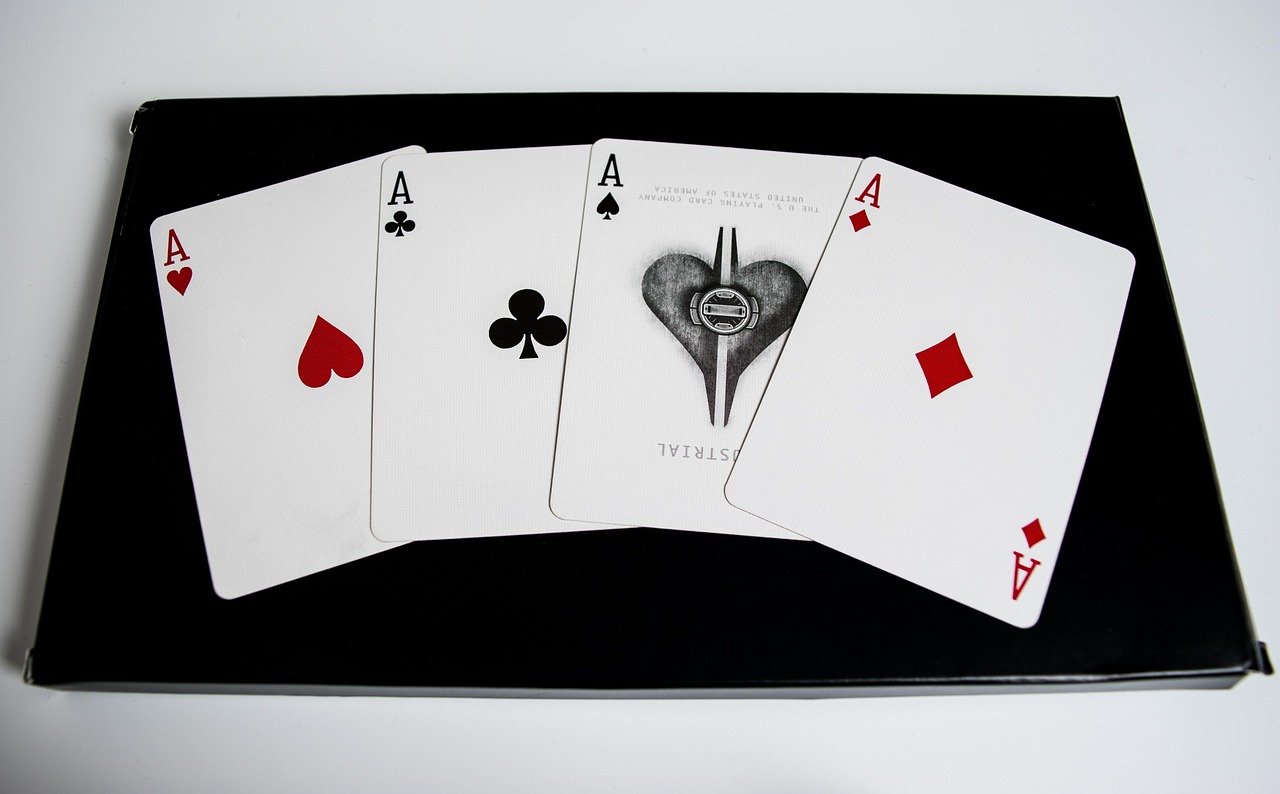
Slots are a math problem you can't influence. Poker is a math problem you can influence, which is why it attracts a completely different kind of player. The house doesn't take a cut of your session like a slot does — it takes a rake, a small percentage of each pot. Your edge comes from outplaying opponents, not from hoping the algorithm is kind.
That means poker rewards study in a way slots never will. Position at the table matters more than the cards you're dealt. A mediocre hand played from the button is often more profitable than a premium hand played from early position, because you act last and gather information first. Bankroll management is similarly non-negotiable: serious cash game players rarely sit with more than 5% of their total roll on a single table, and tournament players often cap buy-ins at 1–2%. These aren't superstitions. They're survival mechanics refined over decades.
The biggest leak for casual players isn't bad luck. It's playing too many hands. Recreational players see roughly 40–50% of flops. Winning regulars see closer to 20–25%. That single gap explains more long-term losses than any bad beat ever will.
Sports Betting: Where Information Beats Instinct
Betting markets are efficient in a way casino games are not. Bookmakers price in injuries, weather, travel fatigue, even referee tendencies. Beating the closing line consistently is genuinely hard. But casual bettors still bleed money for predictable reasons.
- They bet with their hearts on favourite teams, paying a premium for emotional loyalty.
- They chase accumulator bets with astronomical odds and microscopic hit rates.
- They ignore the margin — two bookmakers offering 1.90 vs 1.95 on the same outcome is a 2.6% swing in expected value.
- They bet on markets they don't understand, like obscure Asian handicaps or player props, because the odds look attractive.
Sharp bettors do the opposite. They line-shop across multiple books, focus on a narrow set of leagues they genuinely know, and treat every wager as a small independent investment rather than a lottery ticket. They also accept that a 55% win rate against the spread is genuinely excellent — losing 45% of bets is not a sign of failure, it's the cost of doing business.
Bankroll Rules That Actually Work
Whatever vertical you play, the principles are the same, and they're boring on purpose.
- Separate your gambling bankroll from your living money. Completely. No exceptions, no "just this once."
- Decide your session loss limit before you log in, and treat it as spent the moment you deposit.
- Adjust stakes to volatility, not to how confident you feel.
- Track your results honestly. Most players dramatically overestimate their win rate.
- Take breaks — tilt is the single most expensive emotion in gambling.
The Only Prediction Worth Making
Nobody can predict the next spin, the next river card, or the next ninety minutes of football. What you can predict with near certainty is how these games behave over time. Slots will grind you down at the advertised house edge. Poker will reward the patient and punish the impatient. Sports betting will reward the informed and humble the rest. The players who last — and occasionally win — aren't lucky. They simply stopped treating randomness as a personal adversary and started treating it as the price of admission.